
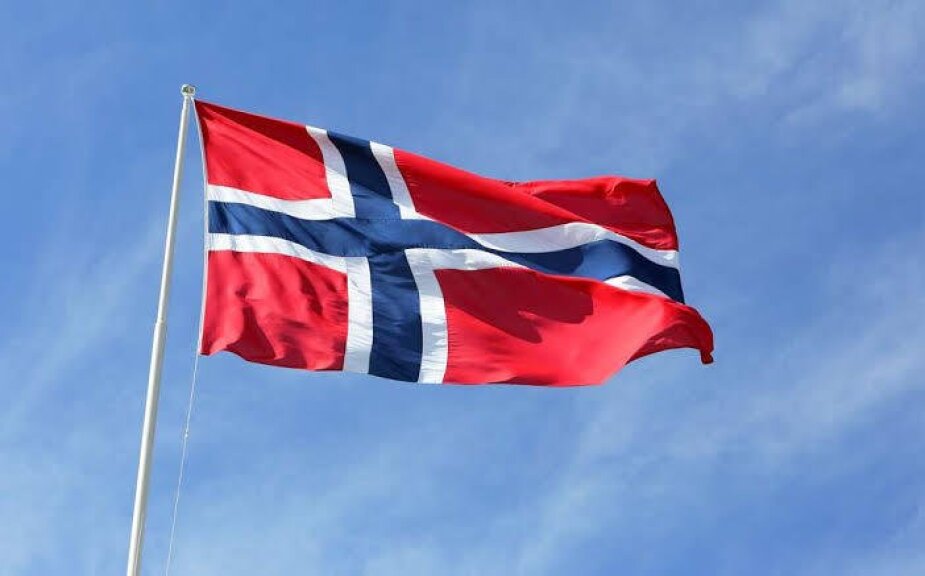
Norway is considering a major change to its gambling policy by allowing state-owned Norsk Tipping to offer online poker. However, strict limits on stakes, buy-ins and playing hours could make the new platform less attractive to many of the players it is supposed to bring into the regulated market.
The Ministry of Culture and Equality has opened a public consultation on the proposal, which would permit Norsk Tipping to run both online poker tournaments and cash games. The consultation remains open until November 29.
It would be a significant development for one of Europe's most restrictive gambling markets. Norway currently has no regulated domestic online poker room, despite having a sizeable poker community and producing internationally successful players such as Annette Obrestad, Espen Jorstad, Kayhan Mokri and Jon Kyte.
According to a 2022 University of Bergen survey, around 90,000 Norwegians were playing online poker with foreign operators each year. Norsk Tipping now estimates that the real number could be between 100,000 and 150,000.
The government's objective is therefore not simply to legalize online poker, but to move existing players away from offshore operators and toward a domestically regulated alternative.
Strict Limits Planned for Norsk Tipping Poker
The proposed poker product would operate under tight responsible-gambling restrictions.
Players would face a daily loss limit of NOK 5,000 and a monthly limit of NOK 10,000. For players under 20, the monthly maximum would fall to NOK 2,000.
Tournament buy-ins would be capped at NOK 2,500, approximately $260, while cash-game buy-ins could not exceed NOK 1,000, or roughly $104. The maximum cash-game big blind would be NOK 10, approximately $1, and players could play no more than four tables simultaneously.
Online poker would also not operate 24 hours a day: the platform would shut down between 1 a.m. and 7 a.m.
These restrictions are consistent with Norway's strong emphasis on player protection, but they also create an obvious challenge. The regulated product needs to be attractive enough to persuade players who already use foreign poker rooms to switch.
Can Norway Bring Players Back to the Regulated Market?
Norway has spent years trying to reduce access to foreign gambling operators. Payment blocking has been in place since 2010, while DNS blocking was introduced in 2025.
Nevertheless, Norwegian players have continued to access offshore poker sites, and regulators acknowledge that not every unregulated operator can be blocked. New sites can also appear after others are restricted.
That makes the competitiveness of Norsk Tipping's poker product particularly important.
A maximum big blind of NOK 10 and cash-game buy-in of NOK 1,000 would effectively restrict the platform to relatively low-stakes games. The NOK 2,500 tournament ceiling would similarly exclude higher buy-in events.
Those limits may be sufficient for recreational players, but regulars accustomed to playing higher stakes internationally would have little incentive to move all of their activity to Norsk Tipping. If a substantial part of the existing player pool continues playing elsewhere, the new platform could struggle to achieve one of its main regulatory objectives.
More Protection, But No Open Market
There is nevertheless a clear argument in favor of a domestic regulated poker room. Norwegian authorities would have greater oversight of the platform, while players would receive protections that may not be available when dealing with operators outside the country's regulatory system.
The Norwegian Gambling Authority has warned that players using unauthorized operators do not receive the same safeguards, and authorities may have limited ability to intervene in disputes involving funds or winnings held by those companies.
The proposal should not, however, be interpreted as Norway opening its online poker market to international competition.
PokerStars left the Norwegian market in 2023, and other major operators also withdrew as regulatory pressure increased. The new proposal would not allow those companies to return. Instead, Norsk Tipping would remain the country's sole regulated gambling provider, with poker added to its existing monopoly.
If approved, the reform would still give Norwegian players something they have lacked for years: a legal domestic online poker option.
The bigger question is whether that option will be attractive enough. With as many as 150,000 Norwegians estimated to already play online poker, the success of the reform may ultimately depend less on whether Norsk Tipping launches poker and more on whether those players are willing to move there.











0 comments