
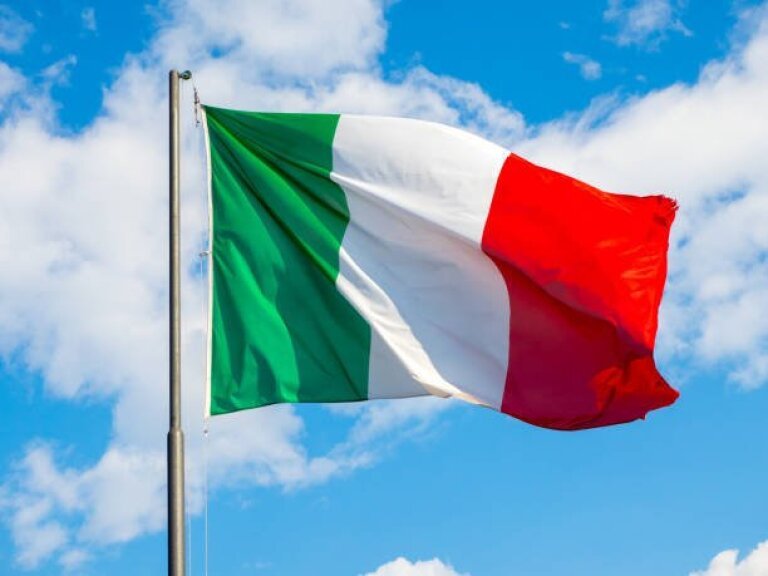
Nearly two decades after Italy introduced Europe's first segregated online poker market, the debate over shared player liquidity has returned. GGPoker continues to advocate for opening Italy's regulated market to international player pools, arguing that shared liquidity would benefit both players and the industry, while political resistance remains strong.
Italy Pioneered the Segregated Market Model
Italy became the first major European country to regulate online poker using a closed player pool.
Tournament poker was legalized in 2008, followed by cash games in 2011, with licensed operators permitted to offer games exclusively to Italian residents. The goal was to keep gaming revenue within the country.
France and Spain later adopted similar models before signing an agreement in 2017 to share player liquidity. Their combined network launched in 2018, with Portugal joining later.
Ironically, although the agreement was signed in Rome and Italy was one of its signatories, the country never implemented the shared liquidity framework.
As a result, Italy remains Europe's largest segregated online poker market in 2026.
GGPoker Continues to Support Global Liquidity
The discussion resurfaced after Marco Trucco, former Managing Director of GGPoker Europe, stated on LinkedIn that bringing global liquidity to Italy remains one of the company's long-term goals.
According to Trucco:
"This is exactly what GGPoker will bring to Italy: global liquidity."
He also argued that some industry stakeholders continue lobbying against reform because they fear losing one of their last protected markets.
This is not a new position for GGPoker. The company has spent years working with local consultants, industry associations, and media partners to explain the benefits of shared liquidity to Italian policymakers.
According to GGPoker, an international player pool would:
- create larger tournament prize pools;
- increase cash game traffic;
- improve the overall player experience;
- generate higher long-term tax revenues.
Political Opposition Remains Strong
Despite these arguments, resistance within Italy remains significant.
In 2025, Italian MP Mauro Del Barba formally questioned the government after GGPoker participated in a hearing before the Senate Finance Committee.
Del Barba argued that a company without an Italian license should not influence the future of Italy's gambling regulation. He also alleged that GGPoker was serving Italian customers.
The company rejected both claims, stating that it:
- does not operate in the Italian regulated market;
- does not accept registrations from Italian residents;
- fully complies with Italian law.
GGPoker maintained that it merely presented its professional views on the future development of online poker regulation.
Italy Remains a Major Poker Market
Even with a closed player pool, Italy remains one of Europe's largest regulated online poker markets thanks to its population of nearly 60 million.
PokerStars Italy continues to host tournament series featuring multi-million-euro guaranteed prize pools, while the Italian Sunday Million periodically returns with a €1 million guaranteed prize pool.
The Italian PokerStars network still attracts more traffic than the combined Southern European shared-liquidity network of France, Spain, and Portugal, underlining the country's importance within the European online poker landscape.
Shared Liquidity Is Also Being Debated in Canada
Italy is not the only jurisdiction discussing shared player pools.
In Ontario, GGPoker currently operates a ring-fenced network separate from its global dot-com platform in accordance with provincial regulations.
Later this year, the Supreme Court of Canada is expected to examine whether Ontario players could legally compete alongside players from other countries in a shared network.
Meanwhile, Alberta has launched its own regulated online gambling market, raising the possibility that Canadian provinces could eventually adopt a shared liquidity model as well.
For GGPoker, the position has remained consistent for years: online poker performs best when players from multiple regulated jurisdictions can compete within the same international player pool.
Whether Italy ultimately joins the existing Southern European shared network—or even a broader international liquidity system—remains uncertain. However, with nearly 60 million potential players, any move toward opening the market would reshape the European online poker landscape and create significant opportunities for operators across the industry.













0 comments